The Case for Domestic Steel - Part I: The Foundation
The case for domestic steel and American reindustrialization: why reshoring steel production is a strategic, economic, and national security necessity.

LineSight
July 3, 2026
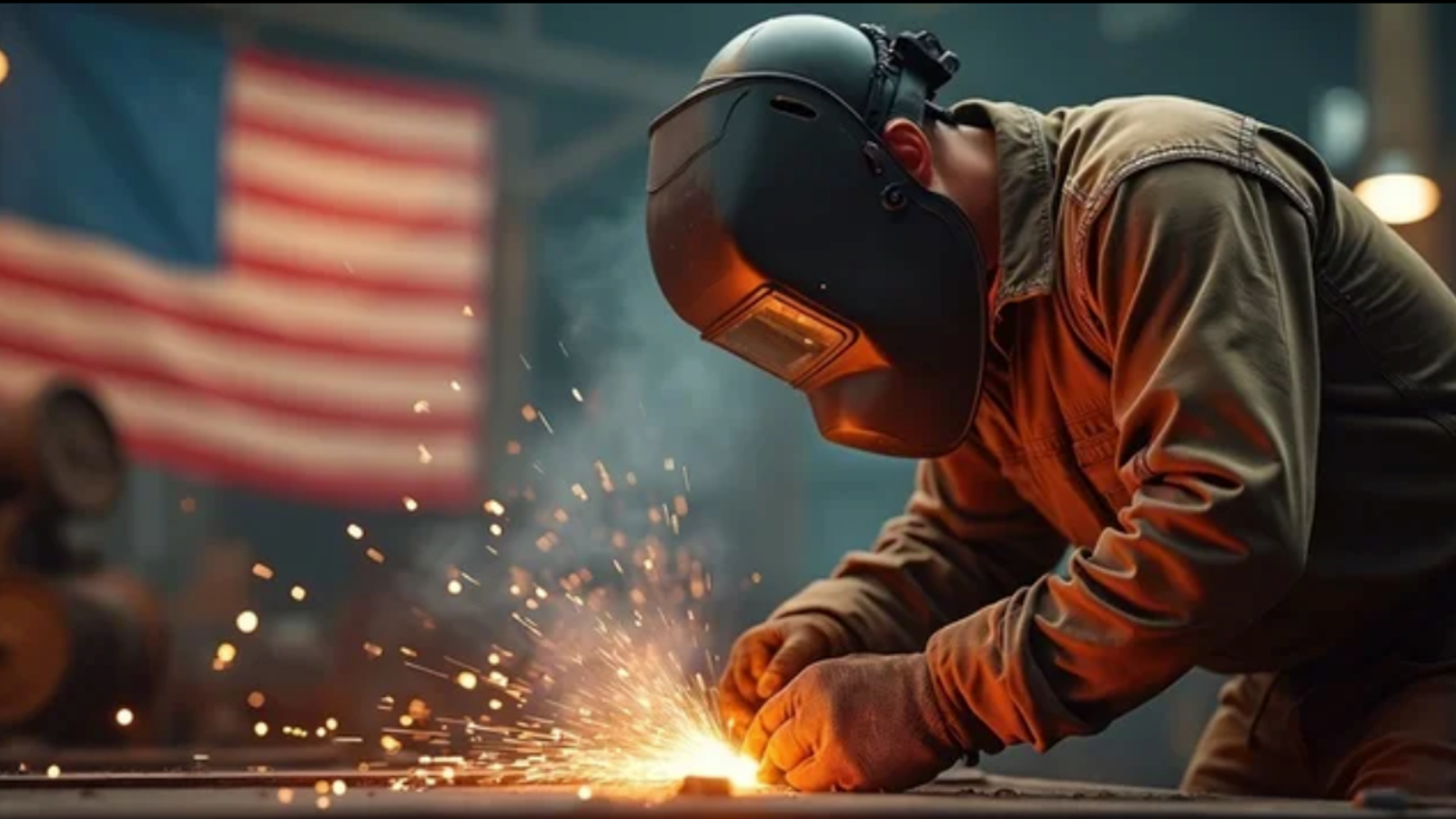
Reindustrialization is the process of rebuilding a nation’s domestic manufacturing and industrial base after decades of offshoring. For the United States, it represents a fundamental shift in economic strategy, away from the assumption that global supply chains are reliable and toward a deliberate effort to reshore production and restore manufacturing capacity, while increasing job production.
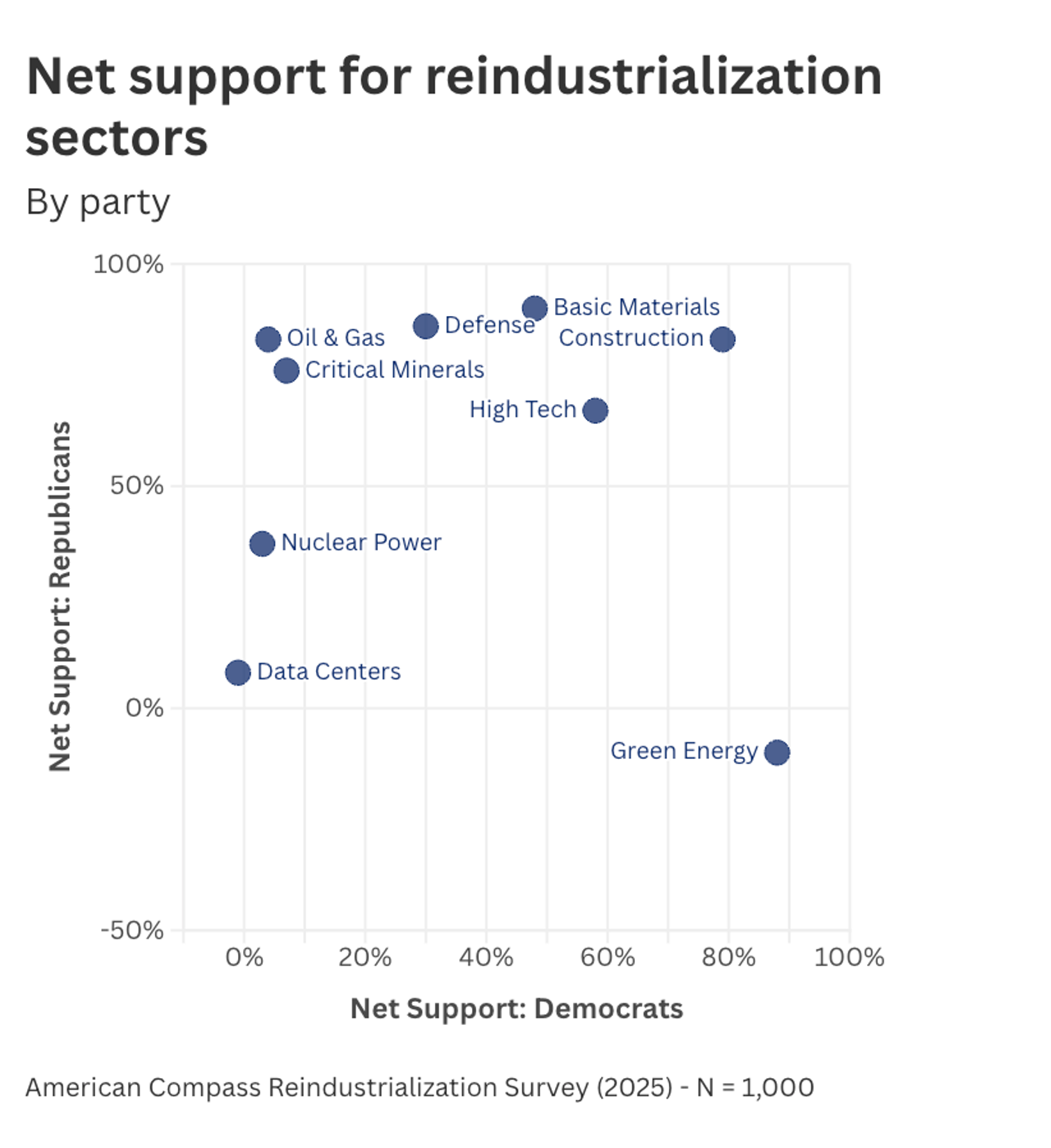
This conversation around American reindustrialization is fascinating because it is notably bipartisan. According to a 2025 American Compass survey of 1,000 Americans, 73% agree that the country needs a stronger manufacturing sector, while only 14% disagree. The reasons vary by party. Republicans lean toward national security and economic vitality, Democrats lean toward job quality and community stability, but the conclusion is the same across the aisle. When it comes to basic materials, construction, and defense, support from both parties sits near the top of the chart, making reindustrialization one of the few policy areas where consensus already exists.
No material sits closer to the center of reindustrialization than steel. There are three pillars that make the case for domestic steel.
The first is strategic. Steel is a defense industrial input. Relying on foreign mills for armor plate, naval steel, and electrical steel creates a national security exposure that cannot simply be priced away. Foreign dependence on fuel inputs already creates potential exploitative price volatility that ripples through the entire steel economy. Reducing dependence on defense critical inputs is not just an economic preference. It is a security calculation.
“In 2025, domestic production met only 20% of US large power transformer demand”. That means 4 out of every 5 large power transformers on the American grid depend on foreign supply!
The second is economic. Onshoring the steel supply chain, from mills to service centers to toll processors, captures jobs, tax base, and downstream value added activity that disappears when production moves abroad. This is not just about the mill workers. It is about the entire ecosystem that steel anchors.
The third is structural. Global steel is not a free market. It is shaped by massive state subsidized overcapacity, primarily from China, which floods global supply, suppresses prices, and systematically undercuts competitors who operate by market rules. That is not competition. It is a structural distortion that no domestic industry can survive without a policy response.
Together these three pillars make the case that domestic steel is not simply an economic preference. It is a strategic necessity. Next week this series turns to the current state of the market, where China produces more than half the world's steel, where American mills run hotter than they have in years, and where the numbers tell a more complicated story than the headlines suggest.